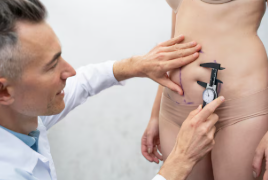
Abdominal Wall Reconstruction (AWR)
Quality healthcare solution for all
A Senior Consultant with 18+ years of experience across laparoscopic, GI, bariatric, and AWR surgery, specializing in minimally invasive, single-port, and scarless techniques. The approach is rooted in precision, advanced technology, and patient-first care—aimed at safer procedures, faster recovery, and results built to last.
- Modern Instrument
- Easy Billing Systems
- Patient First
Abdominal Wall Reconstruction (AWR)
Rebuilding a Stable, Functional Abdominal Wall
Abdominal Wall Reconstruction (AWR) is a planned, specialised surgery for large, complex or recurrent hernias that have weakened or distorted the abdominal wall.
The goal is not just to “close a gap”, but to restore support, strength and balance of the abdominal wall so everyday activities like breathing, posture and movement place less strain on the repair.
- Designed for complex and recurrent hernias
- Focuses on long-term durability and function
- Built on structured imaging, planning and optimisation
Planned in a tertiary-care setting with structured preoperative work-up and postoperative support.
Who Is Abdominal Wall Reconstruction For?
AWR is reserved for selected cases where a routine hernia repair is unlikely to provide a strong, lasting result.
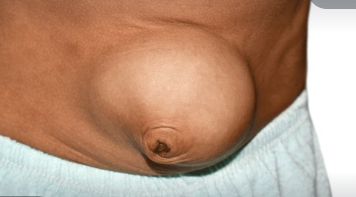
Large Abdominal Wall Defects
Hernias that span a wide area, cause visible bulging or significantly alter the shape and support of the abdomen.
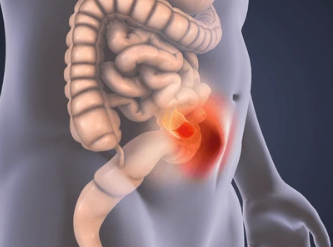
Recurrent or Failed Repairs
Patients who have undergone one or more hernia surgeries that have recurred, often with increasing size or discomfort.

Complex Risk Profiles
Individuals with obesity, multiple scars, prior infections or “loss of domain” where organs remain outside the abdominal cavity for long periods.
How Abdominal Wall Reconstruction (AWR) Is Planned
Abdominal Wall Reconstruction is a planned, multidisciplinary process focused on restoring strength, function and form to the abdominal wall in complex or recurrent hernia cases. Careful imaging, optimisation and a tailored surgical plan help reduce recurrence and improve long-term function.
- Detailed clinical assessment including prior surgeries and symptom history
- CT-based mapping of defect size, location and any “loss of domain”
- Pre-op optimisation: weight, nutrition, glycaemic control and respiratory fitness
- Approach selection — open, laparoscopic or hybrid — based on anatomy and safety
- Customised reconstruction plan (component separation, mesh choice & placement)
Key Principles in Abdominal Wall Reconstruction
Rearranging muscle and fascial layers to reduce tension and enable primary closure.
Biologic or synthetic mesh selected based on defect size, contamination and risk factors.
Open, laparoscopic or hybrid access chosen to maximise safety, exposure and durability.
Why Choose Dr. Tapas Mishra for Abdominal Wall Reconstruction (AWR)?
Abdominal Wall Reconstruction requires a blend of hernia surgery expertise, reconstructive principles and careful pre-operative planning. Success depends on selecting the safest strategy while restoring long-term strength and stability.
Expertise in Complex Hernias
Experience with large, recurrent and anatomically difficult hernias requiring advanced reconstruction techniques.
Evidence-Based Technique Selection
Open, laparoscopic or hybrid AWR methods chosen based on anatomy and safety — never forced or trend-driven.
Structured Pre-Operative Planning
CT mapping, nutritional optimisation and risk assessment ensure durable reconstruction with reduced recurrence.
Comprehensive Post-Op Support
Focused on wound care, respiratory exercises, mobility progression and strengthening the abdominal core safely.
Your AWR Care Pathway
AWR is usually a planned decision, not an emergency. This pathway gives an overview of how the process is typically structured.
Detailed Clinical Assessment
Review of symptoms, prior surgeries, hernia history, medical conditions and expectations from surgery.
Imaging & Planning
Imaging such as CT scan to understand size, location and “loss of domain”, followed by a written reconstruction strategy.
Pre-Op Optimisation
Improvement of weight, nutrition, sugar control, respiratory health and anaesthesia fitness.
Reconstruction Surgery
Execution of the planned procedure—component separation, mesh placement and closure—under close intra-operative monitoring.
In-Hospital Recovery
Pain management, breathing exercises, early walking, wound monitoring and gradual diet progression.
Follow-up & Long-Term Care
Regular visits to track healing, guide safe return to work and physical activity, and reduce the chance of recurrence.
Questions About Abdominal Wall Reconstruction
These answers offer a starting framework. Your final plan is always individualised after full assessment.
Is AWR the same as routine hernia surgery?
No. Routine hernia repair closes a local defect. AWR is for complex cases where the abdominal wall itself needs reconstruction and reinforcement to improve strength and function.
Is Abdominal Wall Reconstruction a major procedure?
Yes, it is generally considered major surgery, often with longer operating times and a more structured recovery compared to standard hernia repairs, with careful monitoring in the early postoperative period.
How long will I stay in hospital?
Many patients need a stay of several days. The exact duration depends on the complexity of the reconstruction, associated medical conditions and how quickly you mobilise and tolerate diet.
Will the hernia come back after AWR?
AWR is designed to reduce recurrence risk by using reconstructive principles and mesh reinforcement where appropriate. However, no surgery can offer a 0% recurrence rate. Your individual risk is discussed clearly before surgery.
When can I return to normal activities?
Light walking usually starts early in recovery. Heavy lifting, strenuous work and exercise are gradually reintroduced over weeks to months, with specific timelines based on your progress and type of work.
Can I share my reports before travelling?
Yes. You can email your reports and imaging summaries to drtapasmishra@gmail.com for an initial view. A physical examination and full consultation remain important before final planning.
Contact Us
Our clinic Address
Odisha, India
CARE Hospitals, Bhubaneswar Unit 4, Hospital Road, Bhubaneswar, Odisha
- +91 9876543210
- drtapasmishra@gmail.com