
Bariatric Surgery
Quality Healthcare Solutions
With extensive experience across laparoscopic, GI, bariatric, and abdominal wall reconstruction surgery, care is delivered through a patient-first, evidence-based approach supported by modern technology and structured planning. The focus remains on safer procedures, minimal disruption, and outcomes that stand the test of time
- Modern surgical instruments
- Transparent and streamlined billing systems
- Patient-centred decision-making
Bariatric & Metabolic Surgery
A Structured, Medical Approach to Obesity & Metabolic Health
Bariatric surgery is a scientifically guided, long-term treatment option for people living with severe obesity and weight-related health conditions such as diabetes, hypertension and sleep apnoea.
It is not a shortcut. It is a tool—combined with nutrition, movement and follow-up—to help achieve safer, sustained weight loss and improve metabolic health when non-surgical methods have not been enough.
- Supports sustained weight loss in selected patients
- May improve metabolic conditions and reduce medication dependence
- Performed laparoscopically in most cases for faster recovery

Planned with detailed evaluation of lifestyle, medical history and long-term goals—not just numbers on a scale.
Who May Benefit from Bariatric Surgery?
Suitability is decided after a full medical and nutritional assessment. These are common clinical scenarios where bariatric surgery may be considered.

Severe Obesity
Patients with high BMI, difficulty losing weight despite structured diet and exercise, and increasing impact on day-to-day life and mobility.

Weight-Related Illness
Obesity associated with conditions such as type 2 diabetes, high blood pressure, sleep apnoea, PCOS, fatty liver or joint problems.

When Non-Surgical Methods Are Not Enough
Patients who have tried supervised diet, exercise and medical therapy, but have not achieved adequate or sustained results.
Types of Bariatric & Metabolic Procedures
The “best” procedure is not the same for everyone. It depends on your weight, eating pattern, medical history and long-term goals. The decision is individual, made after a detailed consultation.
- Laparoscopic procedures through small cuts in most cases
- Focus on safety, metabolic benefit and long-term follow-up
- Choice of procedure is personalised—not one-size-fits-all
Commonly Performed Procedures
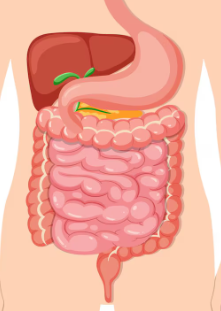
Reduces stomach size and impacts hunger regulation.
Combines restriction and metabolic benefit.
Selected option after detailed counselling.
Why Choose Dr. Tapas Mishra for Bariatric Surgery?
Bariatric surgery is a partnership—between the patient, surgeon, anaesthesia team, nutrition experts and physicians. The goal is safety, clarity and long-term follow-up, not just a number on the scale.
Dedicated Bariatric Training
Fellow observership in Bariatric Surgery at Max Saket Hospital under Dr. P. K. Choubey, with focused exposure to metabolic and weight-loss procedures.
Experience Across High-Volume Centres
Worked in multi-city, high-acuity hospitals handling complex GI and bariatric cases, contributing to decision-making beyond routine scenarios.
Emphasis on minimally invasive and single-port techniques where appropriate
Expertise in laparoscopic and single-port techniques, wherever safely applicable, to support faster recovery and improved comfort.
Structured counselling and long-term follow-up
Emphasis on honest discussions about expectations, lifestyle changes, nutrition, supplements and long-term review plans.
Your Bariatric Surgery Journey
Bariatric surgery is not a one-day event. This pathway outlines the typical phases many patients go through.
Initial Consultation
Discussion around weight history, eating patterns, medical conditions, medications and your goals from surgery.
Medical & Nutritional Evaluation
Blood tests, imaging and assessments by physician/anaesthetist and nutrition team to ensure surgery is appropriate and safe.
Pre-Surgery Preparation
Short-term diet changes, exercise guidance, breathing exercises and counselling about the hospital stay and recovery.
Surgery & Hospital Stay
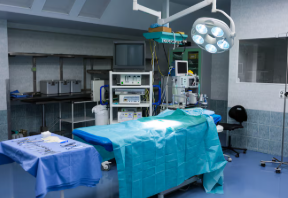
Laparoscopic bariatric surgery in a controlled OR setting, with post-surgery monitoring, early walking and gradual fluid intake.
Early Recovery at Home
Diet progression from liquids to soft foods as advised, wound care, step-wise increase in activity and guided medication changes.
Long-Term Follow-Up
Regular reviews to monitor weight, nutrition, labs and medications, with structured support for lifestyle and habit change.
Questions About Bariatric Surgery
These answers provide an overview. Your final plan will always be personalised after a full evaluation.
Is bariatric surgery only for cosmetic weight loss?
No. Bariatric surgery is primarily a health intervention—aimed at improving obesity-related conditions such as diabetes, hypertension, sleep apnoea, joint pain and mobility, along with weight reduction.
How much weight will I lose after surgery?
Weight loss varies from person to person and depends on the procedure, starting weight, eating habits and lifestyle changes after surgery. The goal is healthier, sustained loss—not a fixed number for everyone.
Will my diabetes or blood pressure completely go away?
Many patients experience improvement and sometimes remission of diabetes or reduction in BP medicines, but results depend on duration of illness, genetics and lifestyle. It is important to think in terms of better control, not guaranteed “cure”.
How long will I stay in the hospital?
Most bariatric surgeries require a short hospital stay of a few days, depending on your procedure, medical conditions and recovery speed. This is discussed in detail before admission.
Will I need vitamins or supplements after surgery?
Yes, most patients are advised specific vitamins and mineral supplements, especially after bypass procedures. Regular follow-up and blood tests help adjust these safely over time.
Can I share my reports before coming for a consultation?
Yes. You may email your reports and summaries to drtapasmishra@gmail.com for a preliminary view. A physical consultation and examination remain essential before any final decision.
Contact Us
Our clinic Address
Odisha, India
CARE Hospitals, Bhubaneswar Unit 4, Hospital Road, Bhubaneswar, Odisha
- +91 9876543210
- drtapasmishra@gmail.com