GI Surgery

Quality healthcare solution for all

A Senior Consultant with 18+ years of experience across laparoscopic, GI, bariatric, and AWR surgery, specializing in minimally invasive, single-port, and scarless techniques. The approach is rooted in precision, advanced technology, and patient-first care—aimed at safer procedures, faster recovery, and results built to last.

Gastrointestinal (GI) Surgery

Comprehensive Surgical Care for the Digestive System

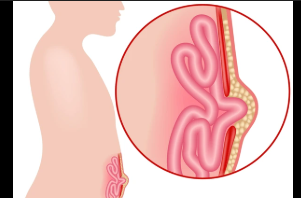
GI Surgery focuses on conditions of the oesophagus, stomach, small and large intestine, liver, gallbladder, pancreas and abdominal wall, with an emphasis on safe, structured care.

From gallbladder and appendix surgeries to complex abdominal procedures, the aim is to combine accurate diagnosis, minimal access techniques where appropriate, and clear communication with patients and families.

  • Evaluation and surgery for a wide spectrum of GI conditions
  • Use of laparoscopic techniques wherever safely suitable
  • Planned, protocol-based care supported by imaging and lab work
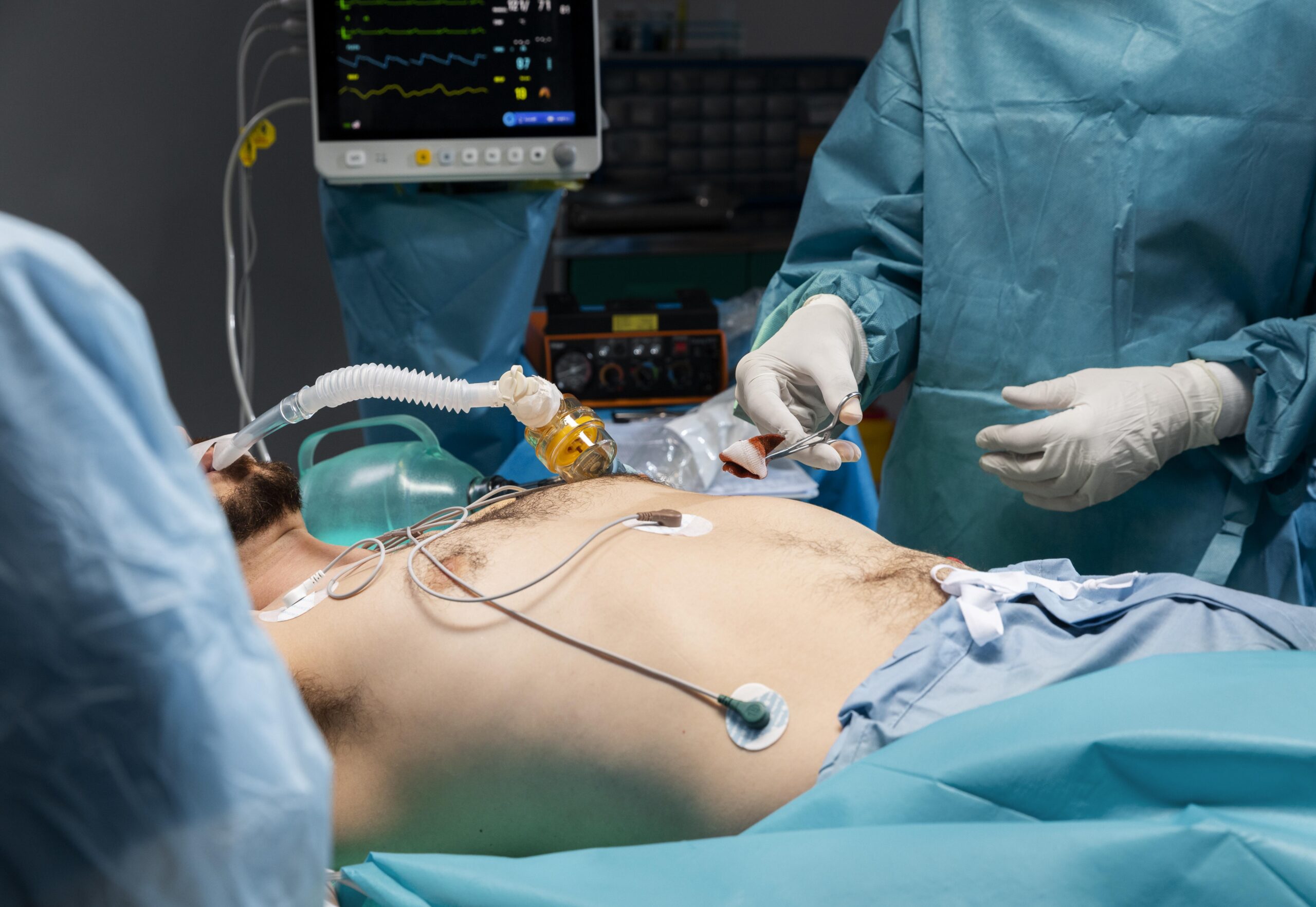
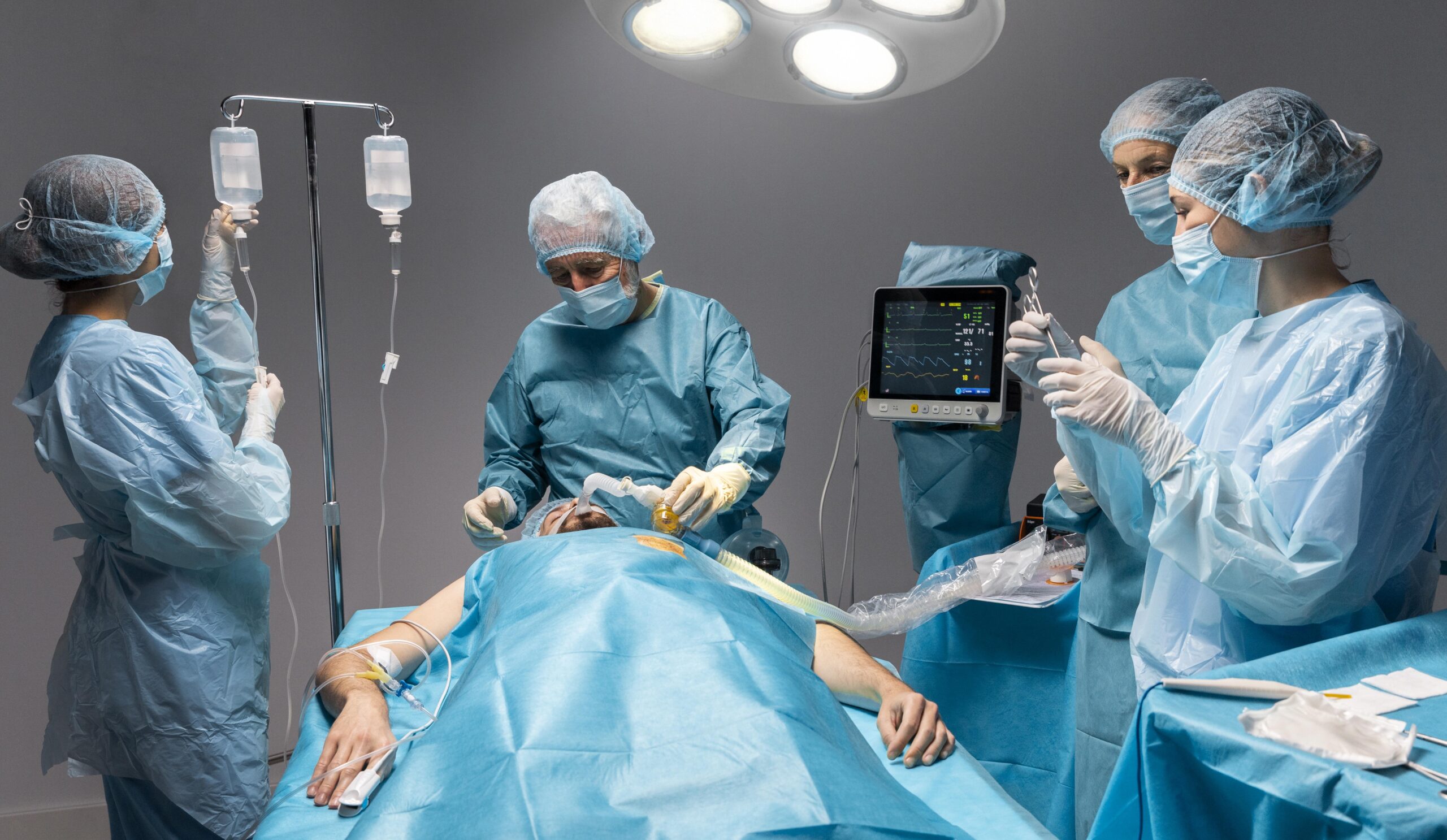
GI surgery operating room

Conditions Commonly Managed in GI Surgery

This is not an exhaustive list, but highlights some of the frequent GI problems that may need surgical input.
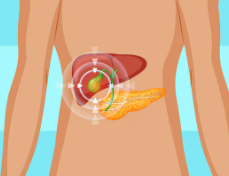
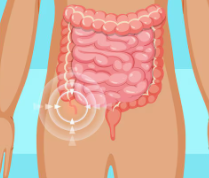
Gallbladder and stones illustration

Gallbladder & Biliary Disease

Symptomatic gallstones, gallbladder inflammation and certain biliary tract conditions needing planned cholecystectomy or related procedures.

Appendix and acute abdomen

Appendix & Acute Abdomen

Acute appendicitis and selected causes of sudden abdominal pain that require timely decision-making and surgical intervention.

Intestinal and abdominal wall problems

Intestinal & Abdominal Wall Conditions

Selected small and large bowel conditions, hernias and other abdominal wall problems requiring structured surgical management.

How GI Surgery Is Planned and Performed

Good GI surgery begins with correct diagnosis and clear communication. Investigations, risk assessment and technique selection are all part of a structured process.

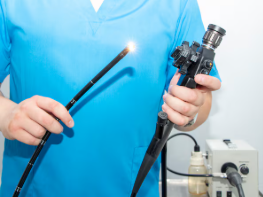
  • Use of ultrasound, CT scan, endoscopy and lab tests where indicated
  • Choice between open and laparoscopic approaches based on safety and anatomy
  • Careful explanation of expected course, possible risks and recovery milestones

Techniques Frequently Used

Laparoscopic GI Surgery

Small cuts, camera-guided procedures for gallbladder, appendix and selected intestinal and abdominal wall surgeries where suitable.

Open & Hybrid Approaches

When safety, scarring, prior surgeries or complexity require, open or hybrid methods are used with a focus on stability and healing.

Risk-Guided Anaesthesia Planning

Coordination with anaesthesia and physician teams for patients with diabetes, cardiac issues or other comorbidities.
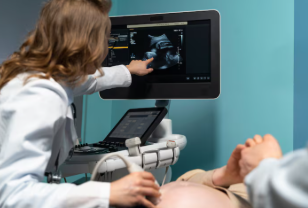
GI operating room planning
Ultrasound or CT imaging
Endoscopy planning

Why Choose Dr. Tapas Mishra for GI Surgery?

GI Surgery is often about judgment as much as technique—knowing when to operate, how to operate and how to support recovery. Patients and families benefit from calm, honest, experience-based counselling.

Advanced Laparoscopic & GI Focus

Senior Consultant in Advanced Laparoscopic & GI Surgery, with exposure to complex abdominal and hernia cases across multiple centres.

Multi-City, High-Acuity Experience

Experience from tertiary-care hospitals in Hyderabad, Delhi-NCR and other cities, handling high-risk and complex GI patients.

Structured, Transparent Counselling

Clear explanation of diagnosis, non-surgical options, surgical indications, risks and realistic expectations from treatment.

Post-Operative Follow-Up

Emphasis on pain control, wound care, diet progression and early mobilisation to support safe, steady recovery.

Your GI Surgery Journey

Many GI surgeries are planned decisions. This pathway outlines how the process is usually organised for patients.

Step 01

Clinical Assessment

Detailed discussion of symptoms, duration, previous treatments, medical history and examination findings.

Step 02

Investigations

Ultrasound, CT, endoscopy and blood tests as required to confirm diagnosis and define the safest treatment plan.

Step 03

Decision & Counselling

Discussion of non-surgical options wherever applicable, indication for surgery, risks, benefits and expected recovery.

Step 04

Surgery & Hospital Stay

Planned surgery in a controlled OR environment with close monitoring, pain relief and early mobilisation as appropriate.

Step 05

Early Recovery

Gradual diet progression, wound care guidance, activity instructions and warning signs to watch for after discharge.

Step 06

Follow-Up & Long-Term Care

Scheduled visits to review healing, manage stitches, adjust activity levels and coordinate with other specialists if needed.

Questions About GI Surgery

These responses provide a general framework. Specific advice is always tailored to your diagnosis and health profile.

01

Do all GI problems need surgery?

No. Many GI issues can be managed with medicines, endoscopy or lifestyle changes. Surgery is advised when it clearly improves safety, comfort or long-term outcome compared to non-surgical options.

02

Is laparoscopic surgery always better than open surgery?

Laparoscopy often means smaller cuts and quicker comfort, but the “better” option depends on your condition, previous surgeries, anatomy and safety. The approach is recommended after reviewing these factors.

03

How long will I stay in hospital for common GI surgeries?

Many planned gallbladder and appendix surgeries require a short stay of a few days. More complex intestinal or abdominal wall procedures may need longer. This is discussed clearly before admission.

04

When can I return to work or routine activity?

Light activities usually resume early, while heavy lifting and strenuous work are increased gradually over days to weeks depending on the type of surgery and your job profile.

05

Will I need long-term medicines after GI surgery?

Some conditions require short-term medicines only, while others may need long-term acid suppression, nutritional support or monitoring. This is guided by your final diagnosis and recovery.

06

Can I share my reports before visiting the hospital?

Yes. You may email your reports and summaries to drtapasmishra@gmail.com for a preliminary view. A physical examination and full consultation are still essential before making final decisions.

Contact Us

Our clinic Address

Odisha, India

CARE Hospitals, Bhubaneswar Unit 4, Hospital Road, Bhubaneswar, Odisha

Book An Appointment

Scroll to Top