Laparoscopic Surgery
Quality Healthcare Solutions
With extensive experience across laparoscopic, GI, bariatric, and abdominal wall reconstruction surgery, care is delivered through a patient-first, evidence-based approach supported by modern technology and structured planning. The focus remains on safer procedures, minimal disruption, and outcomes that stand the test of time
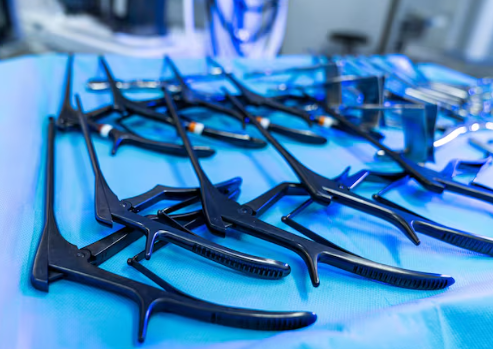
- Modern surgical instruments
- Transparent and streamlined billing systems
- Patient-centred decision-making
Laparoscopic Surgery
What Is Laparoscopic Surgery?
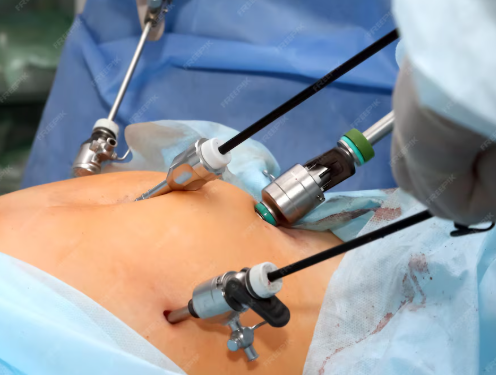
Laparoscopic (keyhole) surgery uses small incisions, a camera and specialised instruments to perform operations with less pain, smaller scars and faster recovery than traditional open surgery in suitable cases.
Instead of one large cut, the surgeon works through tiny ports. A high-definition camera gives a magnified view of the organs, allowing precise movements while minimising disturbance to surrounding tissues.
For many patients, this approach means a shorter hospital stay, earlier mobilisation and a smoother return to daily life.
- Multiple tiny incisions instead of one large cut
- Camera-guided, magnified view for precise work
- Often a quicker overall recovery experience
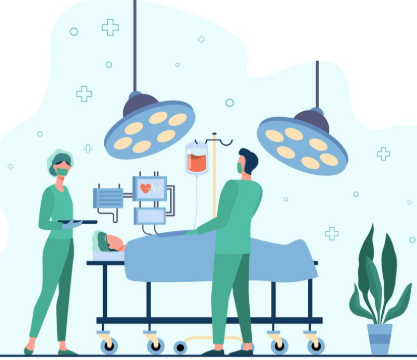
Minimal access, measured precision.
Modern laparoscopic systems support controlled, precise procedures in experienced hands.
Why Choose
Why Choose Dr. Tapas Mishra for Laparoscopic Surgery?
A balance of technical skill, judgement and clear communication. That is what many patients look for when choosing a laparoscopic surgeon.
Focused Laparoscopic Expertise
Years of experience in advanced laparoscopic, GI, bariatric and hernia surgeries, across both routine and complex cases.

Single-Port & Scar-Conscious Techniques
Special interest in single-port and scar-minimising approaches where appropriate, aiming for good functional and aesthetic outcomes.

Clear, Structured Counselling
Patients and families are walked through indications, options, risks and recovery so decisions feel informed, not rushed.

Strong Training Background
Fellowship observership in bariatric surgery and exposure to high-volume centres with advanced minimally invasive work.

Modern Systems & Protocols
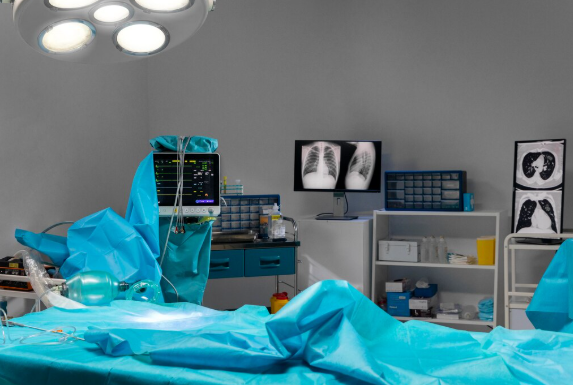
Procedures performed in a structured hospital environment, following established safety and quality protocols.

Follow-up That Continues
Postoperative reviews, wound checks and long-term guidance are part of the plan—not an afterthought.
Procedures
Common Laparoscopic Procedures Offered
Not every condition needs an open incision. Many abdominal and GI problems can be managed through a laparoscopic approach.

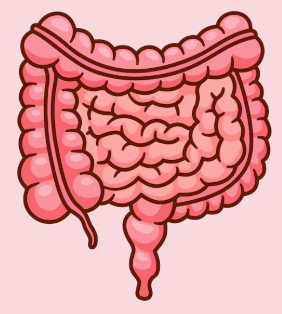
Gallbladder
Laparoscopic cholecystectomy for symptomatic gallstones.
Appendix
Laparoscopic appendectomy in acute and selected chronic cases.
Hernias
Inguinal, ventral and selected recurrent hernias.

Bariatric
Weight-loss and metabolic procedures via keyhole access.

Reflux Disease
Selected anti-reflux surgeries for chronic GERD.
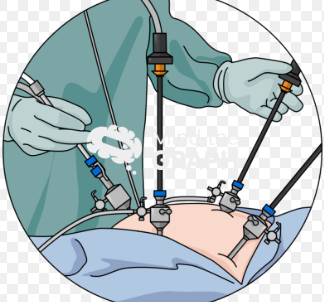
Diagnostic Laparoscopy
For unclear abdominal conditions needing direct visual assessment.

Abdominal Wall
Abdominal wall reconstruction and complex hernia repair.
GI Procedures
Selected small bowel and colorectal laparoscopic procedures.
Benefits
Why Laparoscopic Surgery Is Often Preferred
Every case is individual, but when appropriate, laparoscopic surgery can offer a very different recovery experience.
Faster Recovery
Reduced tissue trauma often translates into earlier mobilisation and discharge.
Less Pain
Smaller incisions generally mean less postoperative discomfort and simpler pain control.
Smaller Scars
Keyhole incisions are usually discreet and can fade well over time.
Shorter Hospital Stay
Many patients can return home sooner compared to open procedures, when recovery is smooth.
Better Visualisation
High-definition magnified views can support precise dissection in experienced hands.
Earlier Return to Routine
Work and family life are often less disrupted when recovery is quicker.
Care Journey
Your Laparoscopic Surgery Journey
A structured, step-by-step path that takes you from first consultation to complete recovery—without guesswork or confusion at any stage.
What you can expect
- Clear explanation before every step
- Evidence-based decisions, not rushed choices
- Follow-up that focuses on long-term health
Consultation & Clinical Assessment
Detailed discussion of your symptoms, medical history, lifestyle and expectations, followed by a focused physical examination.
- Clarify your concerns and goals
- Review any prior reports or scans
- Discuss whether surgery is likely to be needed
Investigations & Fitness for Surgery
Blood tests, imaging (USG / CT / MRI where needed) and anaesthesia fitness are organised to ensure both necessity and safety.
- Confirm diagnosis and disease extent
- Assess heart, lung and metabolic status
- Identify any risk factors to optimise pre-op
Treatment Discussion & Surgical Plan
The laparoscopic approach is explained, along with alternatives, expected hospital stay, pain, scars and possible risks or complications.
- Understand “why laparoscopy” for your case
- Know what will happen on the day of surgery
- Get your questions answered in simple language
Surgery & Immediate Recovery
Admission, anaesthesia, laparoscopic procedure and the early hours of monitoring with pain control and vitals tracking.
- Pre-op fasting and preparation as advised
- Family updated once surgery is completed
- Initial recovery in post-anaesthesia care unit
Ward Stay, Mobilisation & Discharge
Pain control, early walking, diet progression and wound checks until you are safe and comfortable to go home.
- Guidance on walking, breathing exercises and rest
- Explanation of medicines and wound care
- Provisional date for first follow-up visit
Follow-up & Long-term Outcome
Review of healing, stitch removal (if needed), activity progression, and long-term lifestyle or nutrition advice when relevant.
- Monitor symptoms and wound healing
- Gradually expand activity and exercise levels
- Address weight, diet and long-term health goals
FAQs
Questions Patients Often Ask
A few direct answers to common doubts about laparoscopic surgery, recovery and suitability.
Is laparoscopic surgery safe?
For the right patient, in the right setting, it is a well-established and widely practised technique. Safety depends on your overall health, the underlying condition and the surgical/anaesthesia teams.
How long will I stay in the hospital?
Many laparoscopic procedures need a stay of about 1–3 days. The exact duration depends on the surgery type, pain control, mobilisation and associated medical issues.
When can I return to work?
Desk work is often possible within 1–2 weeks after uncomplicated procedures. Heavy work and lifting need more time and will be discussed case by case.
Will there be scars?
Every incision leaves a scar, but laparoscopic cuts are usually small and discreet. In some cases, single-port or scar-minimising techniques may be considered.
Is laparoscopy suitable for everyone?
Not always. Previous surgeries, severe disease, or certain risk factors can make an open approach safer. Suitability is decided only after full evaluation.
Can I share my reports before I travel?
Yes. You can email reports to drtapasmishra@gmail.com for an initial sense of options. A physical consultation is usually needed before final decisions.
Contact Us
Our clinic Address
Odisha, India
CARE Hospitals, Bhubaneswar Unit 4, Hospital Road, Bhubaneswar, Odisha
- +91 9876543210
- drtapasmishra@gmail.com